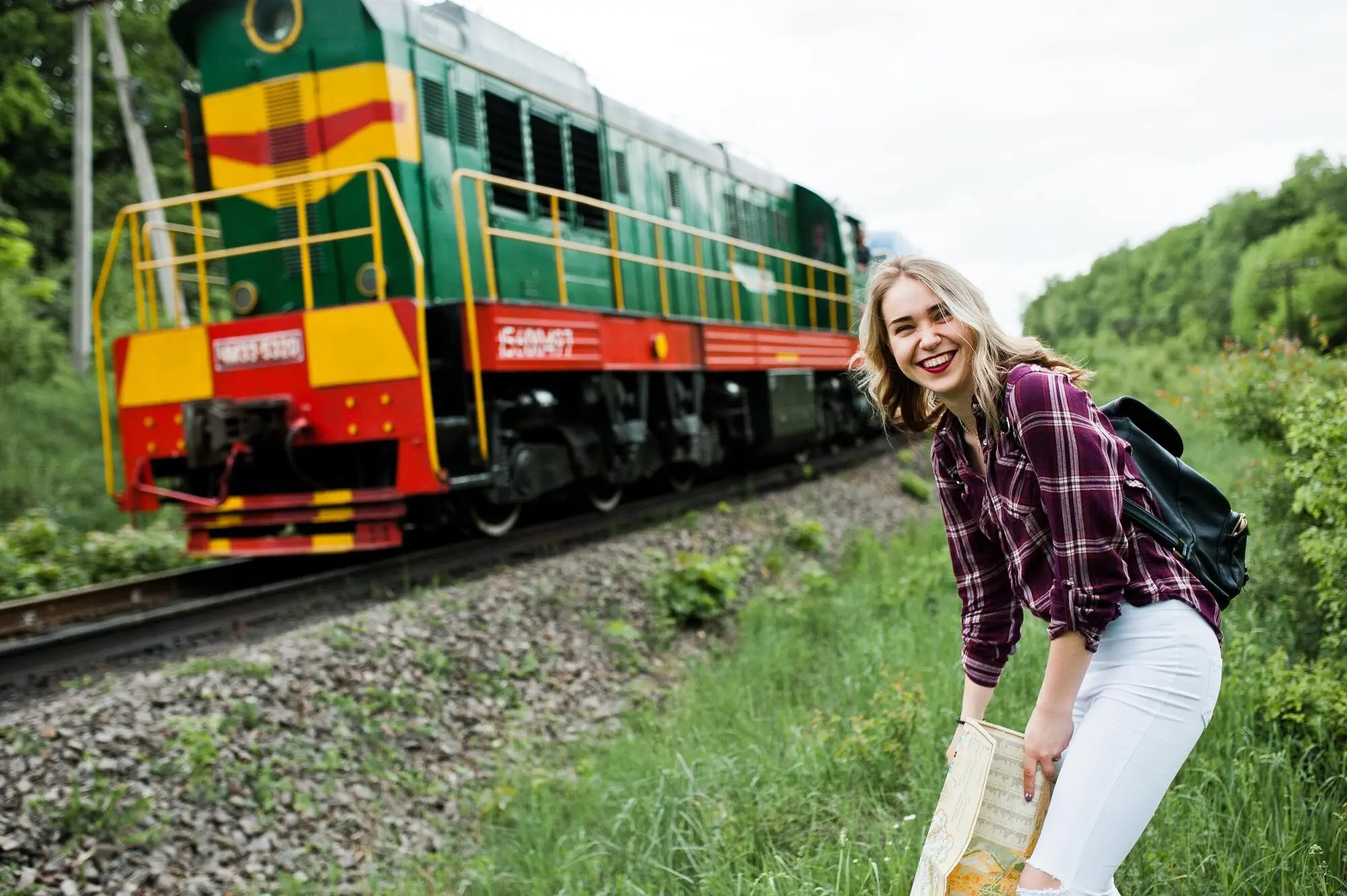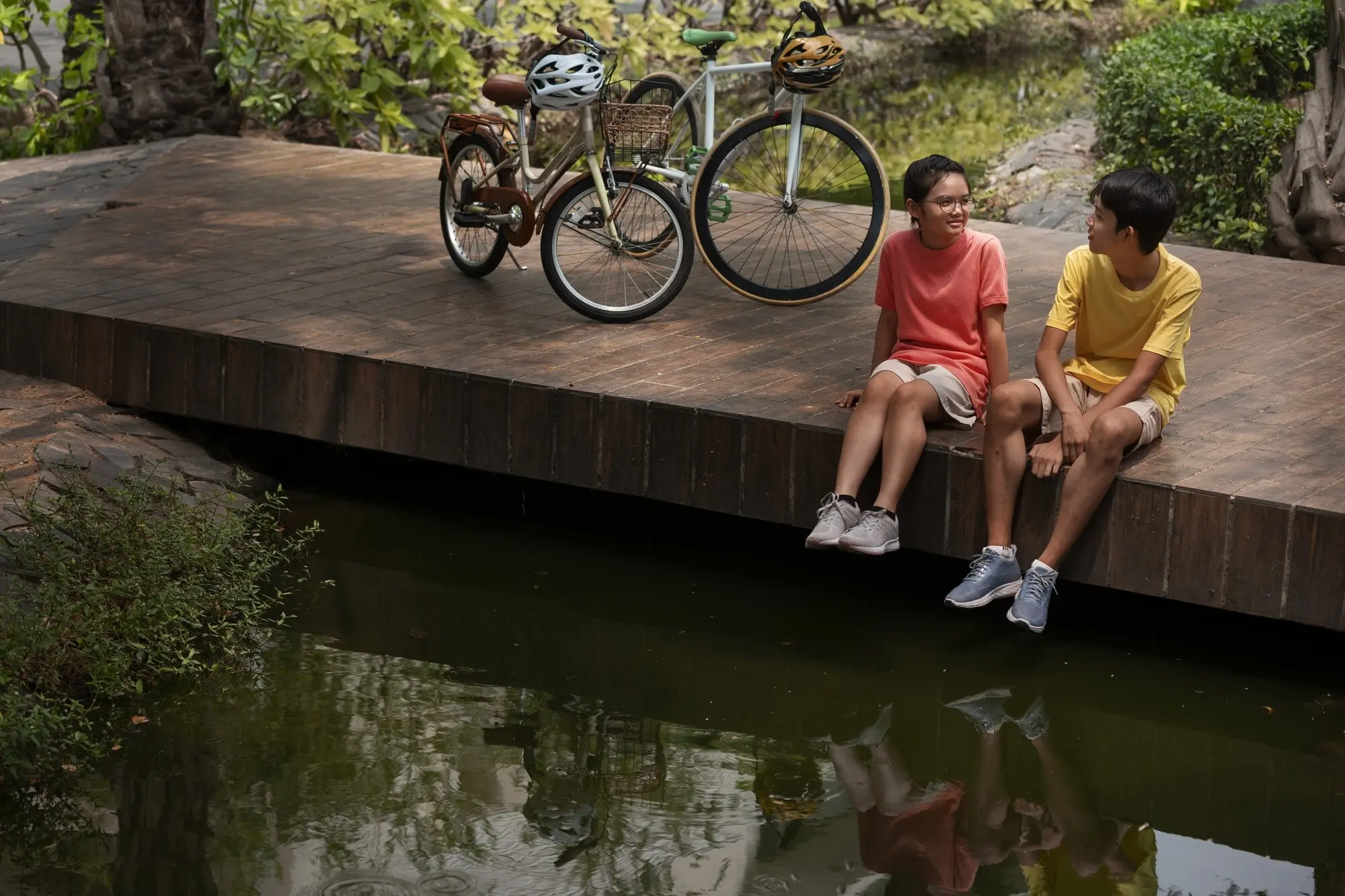
Trains, Tents, and Smiles: Stress-Free UK Escapes with Kids
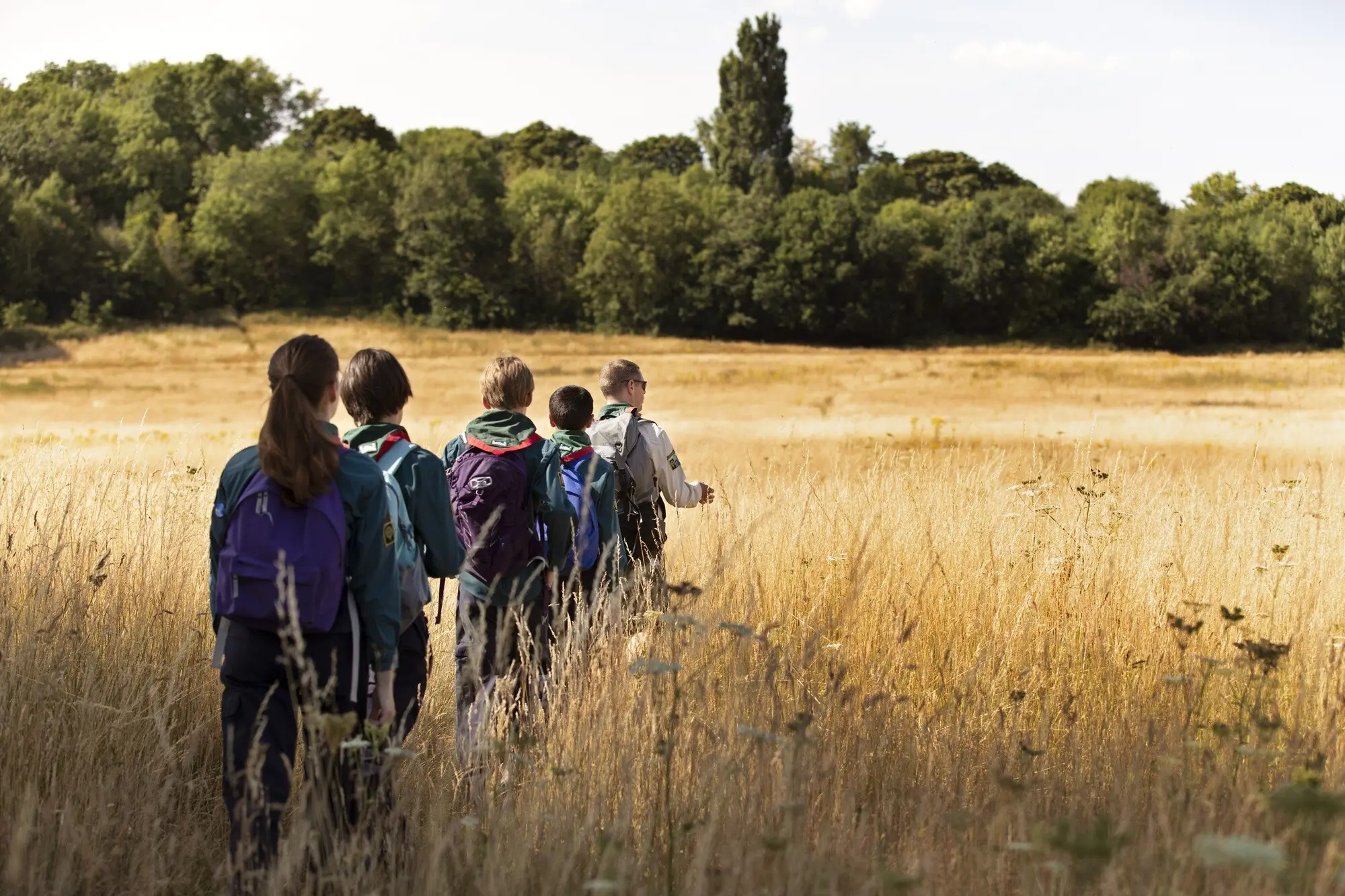
Set out for camping and glamping reachable entirely by trains, buses, and ferries across the United Kingdom, crafted with families in mind. We’ll explore car-free routes, kid-friendly facilities, realistic packing, and real itineraries so everyone arrives happy. Expect practical checklists, lighthearted stories, and confidence-boosting advice to make your next getaway smoother, cheaper, and greener. Share your wins, ask questions, and subscribe to keep discovering fresh, family-ready stays connected by public transport.

Choose Well-Connected Regions

Favour areas where trains and buses interlace neatly, trimming stress and transfers. The New Forest around Brockenhurst, the Lake District near Windermere and Keswick buses, North Wales by Betws-y-Coed, Cornwall via St Ives or Penzance links, and Scotland’s Aviemore corridor all shine. Look for rail stations with staffed ticket offices, baggage-friendly platforms, and nearby supermarkets. Frequent local services reduce pressure if someone needs a bathroom break or a quick snack before the final stroll to your pitch.

Match Travel Time to Kids’ Rhythms

Plan around nap windows, meal times, and wiggle breaks. A two-hour direct train can beat a quicker but fiddly sequence of changes. Book seats together where possible, aim for tables for drawing, and split journeys with playground stops near stations. If evenings bring meltdowns, arrive before dusk to pitch calmly. A short taxi for the last mile can be a sanity-saver, especially in rain. Share what works for your family, and learn from others refining similar routines.

Book Smart and Flexible

Advance fares paired with a Family & Friends Railcard can unlock meaningful savings, while seat reservations reduce aisle juggling. Keep an eye on off-peak windows, accessible carriage locations, and luggage racks near your seats. Use National Rail Enquiries, Traveline, and operator apps for alerts and platform info. When plans wobble, knowledge of Delay Repay policies helps. Confirm campsite check-in windows and late-arrival procedures to avoid bedtime stress. Encourage kids by letting them stamp tickets or hold a simple printed map.

Pack Small, Live Large

The trick to car-free family trips is carrying only what multiplies comfort. Choose versatile layers, compressible sleep systems, and gear that does double duty. Let glamping setups handle bulk like beds and cook kits, or keep camping ultralight with shared essentials. Backpacks balance better on platforms than rolling suitcases on gravel. Pack dry bags for inevitable showers, and keep a warm layer accessible. Teach children to own a tiny daypack, making them proud helpers and easing parental shoulders.

Car‑Free Friendly Stays

Look for campsites and glamping spots that proudly publish station distances, bus numbers, and walking times. Prioritize family facilities like play areas, baby changing, and family bathrooms. Choose places with small on-site shops or village stores within an easy stroll. Ask about late check-in, luggage acceptance, or friendly taxi partners. Clear access information beats glossy photos when you are wrangling hungry toddlers. A welcoming warden and a level pitch after one smooth bus ride can redefine the whole weekend.

Reading Access Like a Pro

Scrutinize maps from station to gate, noting pavements, gradients, and night lighting. Confirm the last reliable bus arrival before check-in, plus the first departure on checkout morning. If signage is sparse, screenshot directions in case signal drops. Ferries to the Isle of Wight or Scottish islands pair brilliantly with short bus hops, but verify seasonal timetables. Ask whether pushchairs roll comfortably from stop to reception. Small clarity points—like the location of a stile—save big stress when rain arrives.

Facilities That Keep Parents Sane

Seek family bathrooms, baby change stations, laundry, drying rooms, and covered cooking shelters. Playgrounds near pitches stretch legs while dinner simmers. Dishwashing stations under cover mean no soaking in sideways rain. For glamping, confirm indoor seating for rainy breakfasts and power sockets for bottle warmers. A small lending library or board-game corner turns cloudy afternoons into giggles. Nearby takeaway delivery or a pub with children’s menus can rescue energy on arrival night. Details like these transform effort into ease.

Contact and Confirm

A quick email to the site can uncover gold: local taxi numbers with car seats, walking shortcuts, or a friendly pickup during squalls. Ask how late you may arrive, where to find keys for pods, and whether reception sells stove fuel. Confirm rules about campfires and quiet hours to set expectations with kids. If sending parcels ahead, request clear labeling instructions. Thank hosts for car-free insight—it encourages them to publish better guidance, helping the next family travel lighter and happier.

Tried-and-Smudged Itineraries

Real routes keep dreams grounded. We’ve stitched together examples tested by families who swapped motorways for windows framing fields, coasts, and forests. Each journey balances one satisfying adventure with restorative downtime, avoiding sprinting connections. Expect gentle station strolls, short buses, and campsite comforts that reset everyone’s mood. Use these as templates, then share your tweaks—an alternative lunch stop, a smoother transfer, or a playground detour that magically aligned with naps and sunshine after a brief shower.

Glamping that Travels Well

Pods, shepherd’s huts, cabins, and pre-pitched bell tents remove bulk while keeping adventure alive. They often include heat, beds, lighting, and basic cookware, leaving you to carry only clothes, snacks, and joy. Confirm linen, towels, and power sockets to avoid surprises. Indoor tables rescue breakfast on drizzly mornings, and covered porches extend evenings after lights-out for little ones. Families new to tent life often build confidence here, then step into lighter camping once routines feel cheerful and repeatable.

Pods, Huts, and Yurts Compared

Pods usually excel at insulation and simplicity; huts bring charm and built-in seating; yurts boast airy space and communal vibes. For car-free arrivals, ask about luggage trolleys, step-free paths, and nearest bus stops. If cooking gear is provided, trim your kit aggressively. Check fire rules and distance to water points for bedtime bottle rinses. A small electric heater can transform chilly evenings, while blackout options help early risers sleep. Report which layouts worked best with crawling toddlers and curious siblings.

Rain Plans and Cozy Evenings

Pack compact games, storybooks, and a tiny speaker for audiobooks when showers linger. String LED micro-lights safely to make bedtime magical without blinding neighbors. Glamping porches host card tournaments while jackets steam dry. Keep a towel by the door for muddy boots, and stash spare socks for morale. Stove-top popcorn turns drizzle into a party. If storms delay buses, embrace indoor crafts and warm drinks. Share your best rainy-day rituals that turned forecasts from dread into family folklore worth retelling.

Value Math: When Comfort Saves Money

Glamping may look pricier up front, yet removing tent, mattresses, and bulky cookware can slash luggage, taxis, and replacement costs after weather mishaps. Heating and real beds protect sleep, safeguarding energy for hikes instead of meltdowns. Factor Railcard savings, off-peak fares, and cooking most meals on-site. A reliable night’s rest can be the difference between ambitious trails and abandoned plans. Track your spend, then compare to self-catering cottages and car hire. Tell us where comfort returned its investment fastest.

Gentle Footprints, Happy Neighbors

Traveling by public transport already lightens your environmental load; extend that care at camp. Teach kids to notice soil, plants, and wildlife, leaving places better than they found them. Understand site rules about fires, noise, recycling, and grey water. Carry a small repair kit to fix gear instead of binning it. Weather-aware plans and gracious attitudes inspire kindness from staff and fellow guests. When little campers model respect, everyone sleeps easier, wakes happier, and wants to welcome more car-free families.

Leave No Trace with Little Explorers

Make cleanup a treasure hunt: tiny hands collect micro-litter into a bright bag before bedtime. Keep to paths to protect roots, and camp on durable surfaces. Refill bottles at designated taps, not streams. Quiet observation of birds and deer teaches respect better than lectures. Choose biodegradable soap and minimal packaging. Celebrate small wins—like returning a shiny pebble to its home. Share photos of your tidy pitch for others to copy, growing a culture where care feels playful, proud, and contagious.

Fires, Stoves, and Sensible Warmth

Know the site’s stance on fire pits, wood sources, and ash disposal. A stable stove on a heatproof mat beats scorched grass and frayed nerves. Teach children a safe boundary they can explain back to you. Consider hot-water bottles in sleeping bags instead of roaring flames. Keep extinguishing water nearby, and never leave embers smoldering. In windy sites, shield flames or pivot to no-cook meals. Tell us which cozy rituals—campfire songs, star maps, bedtime cocoa—worked without bothering neighbors or wildlife.